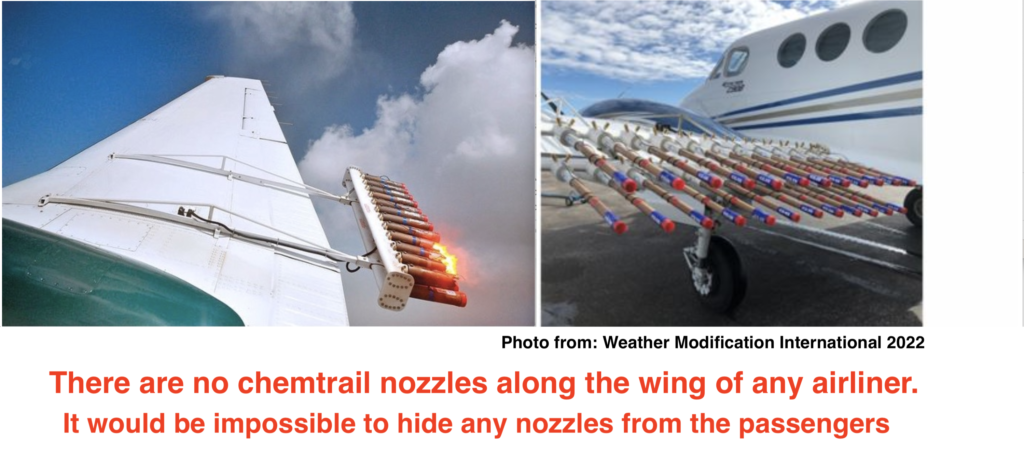
Cloud seeding occurs at a maximum height of around 18,000 ft because that is the height at which rain clouds occur.

A typical flight for the pilots at Weather Modification Inc. would be: they were standing by on alert on Aug. 12, 2012, when they got word from their staff meteorologist to jump in their planes and head toward a budding thunderstorm just west of Calgary, Alberta.

Their mission: to prevent the formation of crop-destroying, car-denting hail by shooting flares loaded with silver iodide into cumulus clouds.

Some of the pilots headed for the smooth, rain-free base of the clouds at 2,000 meters, where updrafts could pull the inorganic compound in.

Other pilots flew to 5,500 meters, penetrating the tops of the billowy formations.
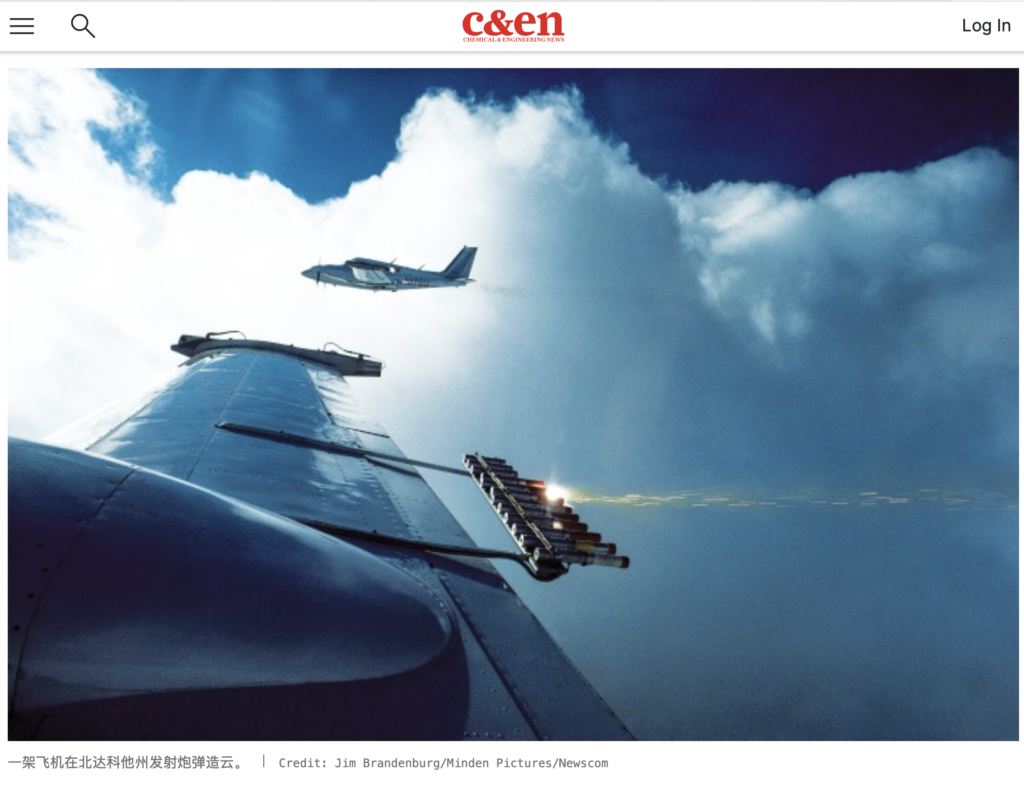
Cloud seeding is the purposeful manipulation of the weather, a form of weather modification, but it is not geoengineering, because it operates on a local or regional scale rather than attempting to alter the global climate.

Cloud seeding is done at lower altitudes by small aircraft that release chemicals from flares attached to their wings to encourage rain.

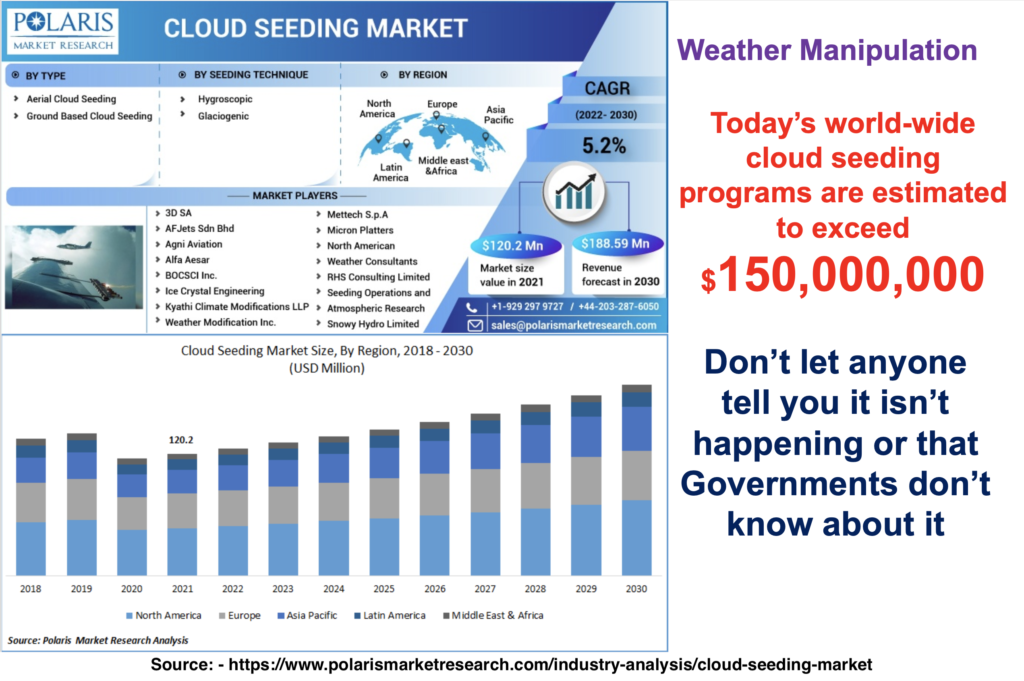
Cloud seeding and local rain control are big business.

Most famously, during the 2008 Summer Olympics in Beijing, cloud seeding was used to clear the atmosphere before the games.

Cloud seeding is a multimillion-pound industry, but the effects are local, so they are not considered geoengineering.

This video shows cloud seeding in Malaysia using military planes, but they are still only local events.

On this occasion, on September 19, 2019,  to counter haze from forest fires in nearby Indonesia.

The fires are a seasonal problem linked to slash-and-burn land clearance techniques in Southeast Asia, and recent fires in Indonesia have sent smoke drifting into Singapore and Malaysia.