Key Takeaways

  • Aerodynamic trails are normal pressure-induced condensation from the wings; they contain no chemicals.
  • They are like rainbows formed by the wings.
  • The most common misleading videos show “abrupt on-and-off” trails, which are changes in pressure on the saturated air.
  • This myth is frequently combined with “ballast tank” and “turbofans can’t make trails” misinformation to create a false but convincing story.
  • Together, these three misunderstandings form one of the most widespread pieces of disinformation in the chemtrail community.

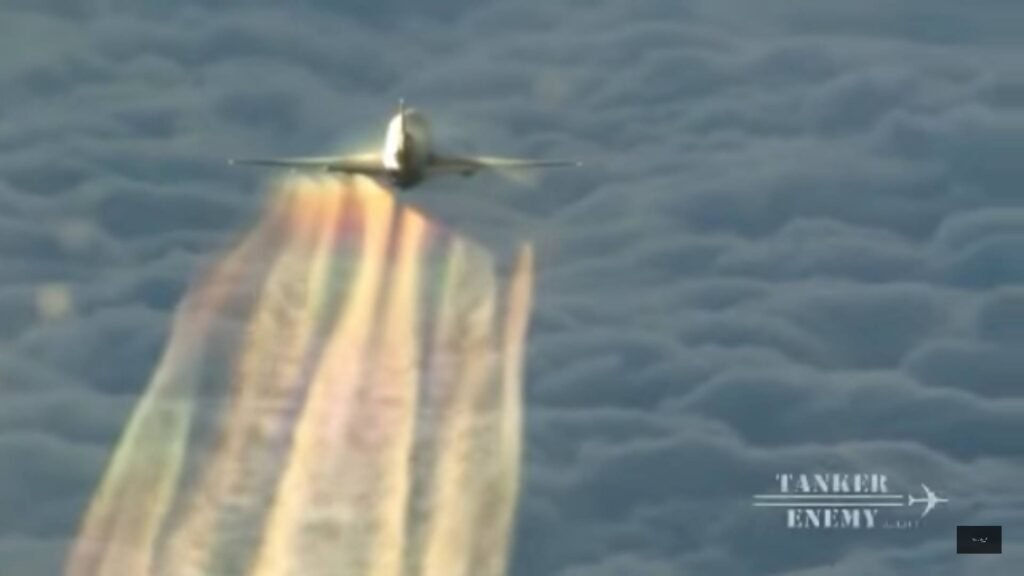
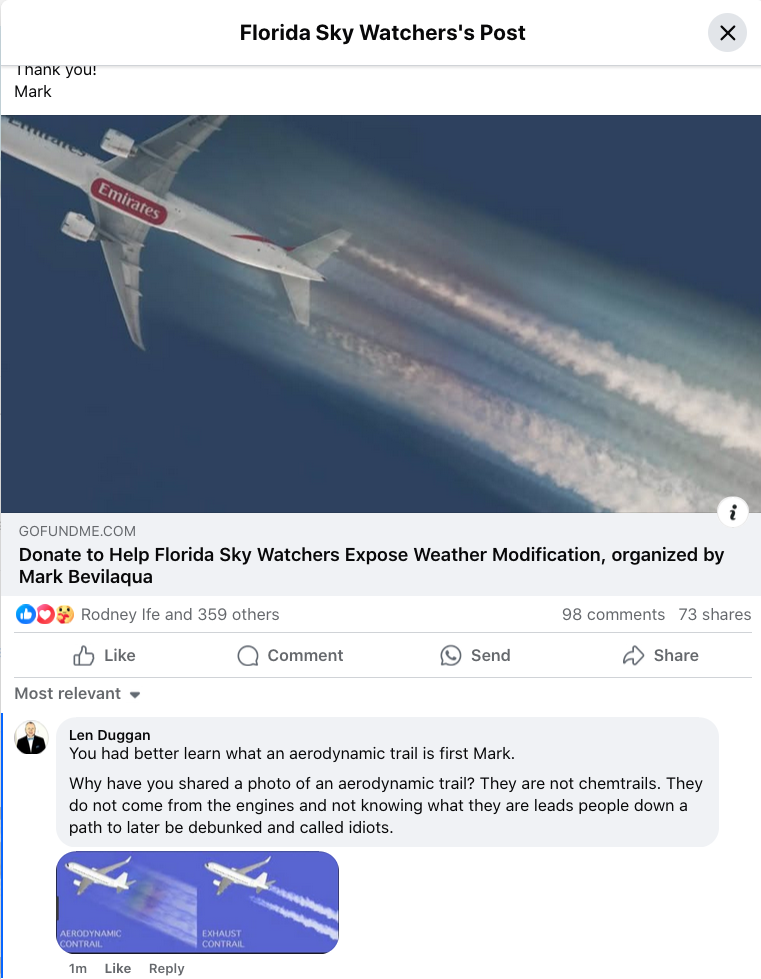
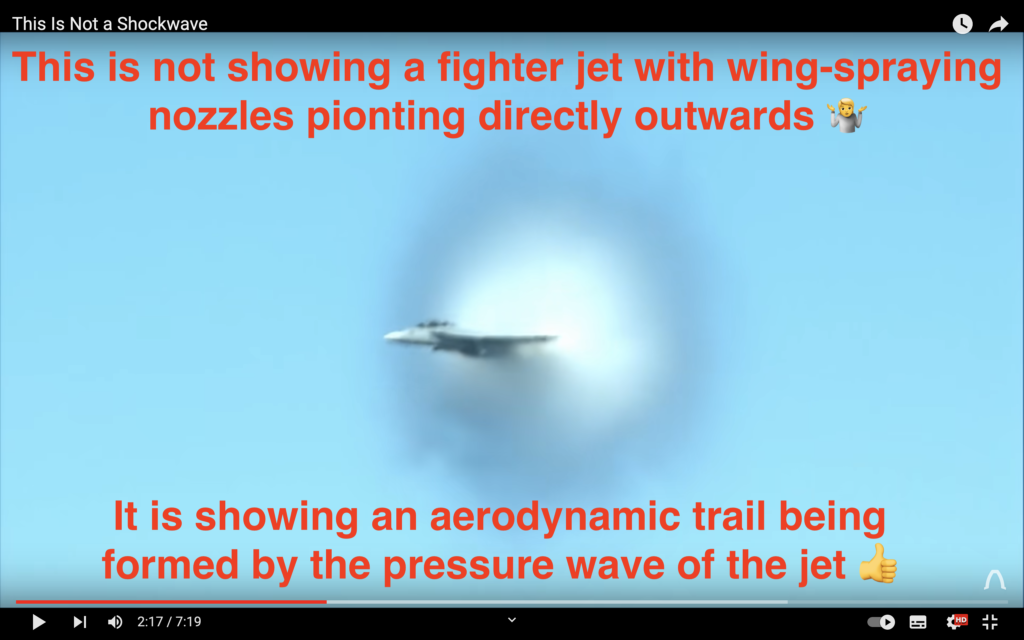
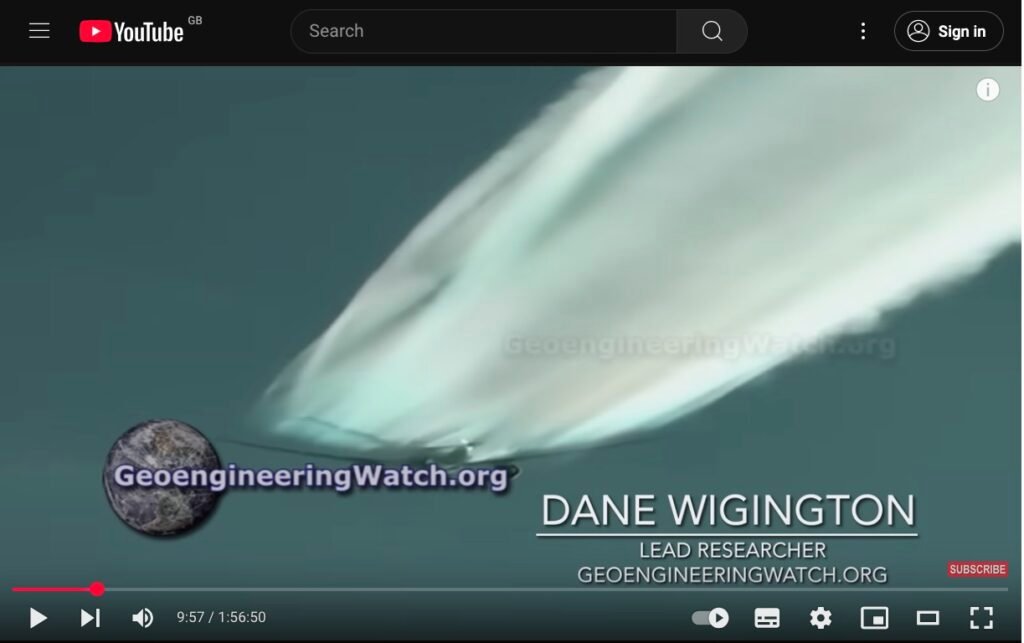
This video is a classic example of the footage commonly shared as “proof” of wing sprayers.

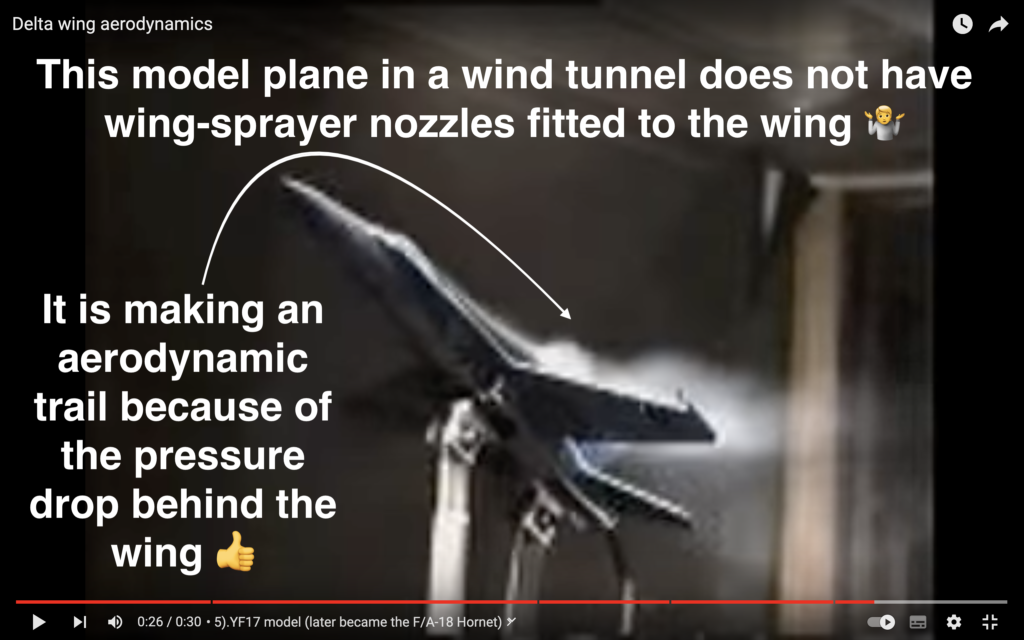
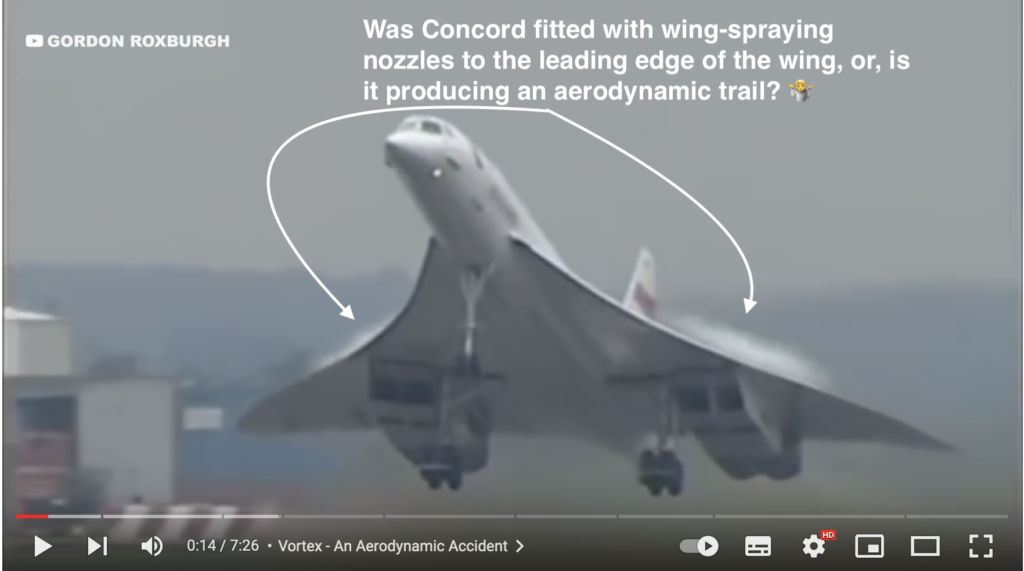
What you are actually seeing is an aerodynamic trail caused by localised pressure changes from the lift of the wings, combined with small variations in humidity.

These trails can appear suddenly and “switch” on and off as conditions change along the flight path.

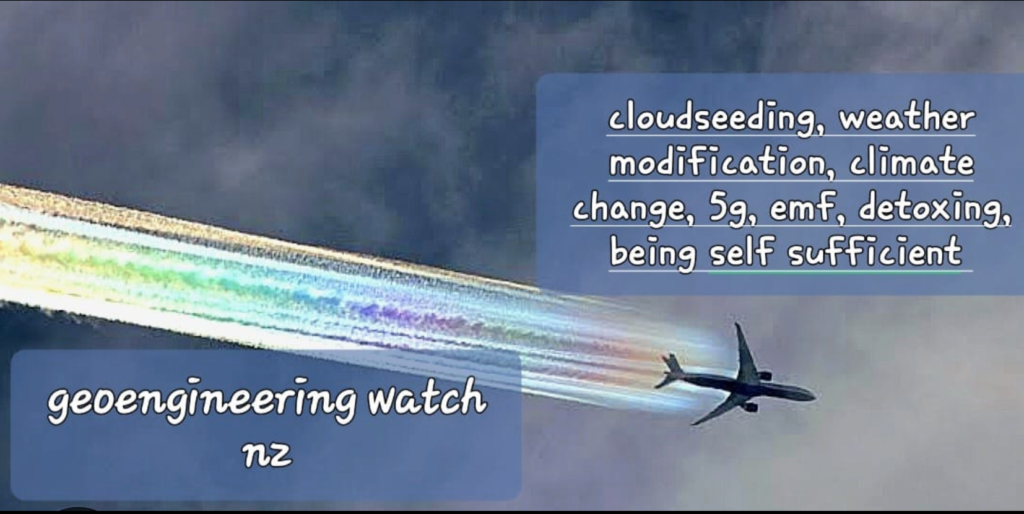
Gatekeepers will ply you with misinformation about wing-sprayers to derail your understanding of what chemtrails really are.

Using the word “spraying” to describe chemtrails is a mistake, and it feeds into the wing-sprayer lie.

Chemtrails do not come from the wings; they come from the engines.

Everyone in the world sees the trails coming from ordinary engines, attached to ordinary airliners, on ordinary flights.

There are millions of photos on the internet.
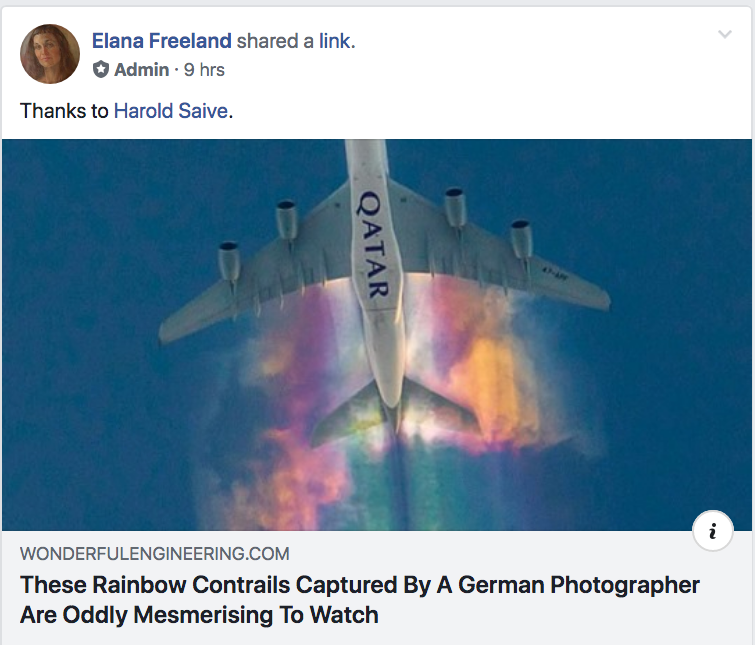
All of the images above show aerodynamic trails. Getting this wrong and calling them chemtrails is a mistake that undermines the credibility of anyone complaining about chemtrails. As you can see, this mistake is made in many places by people who should know better. 

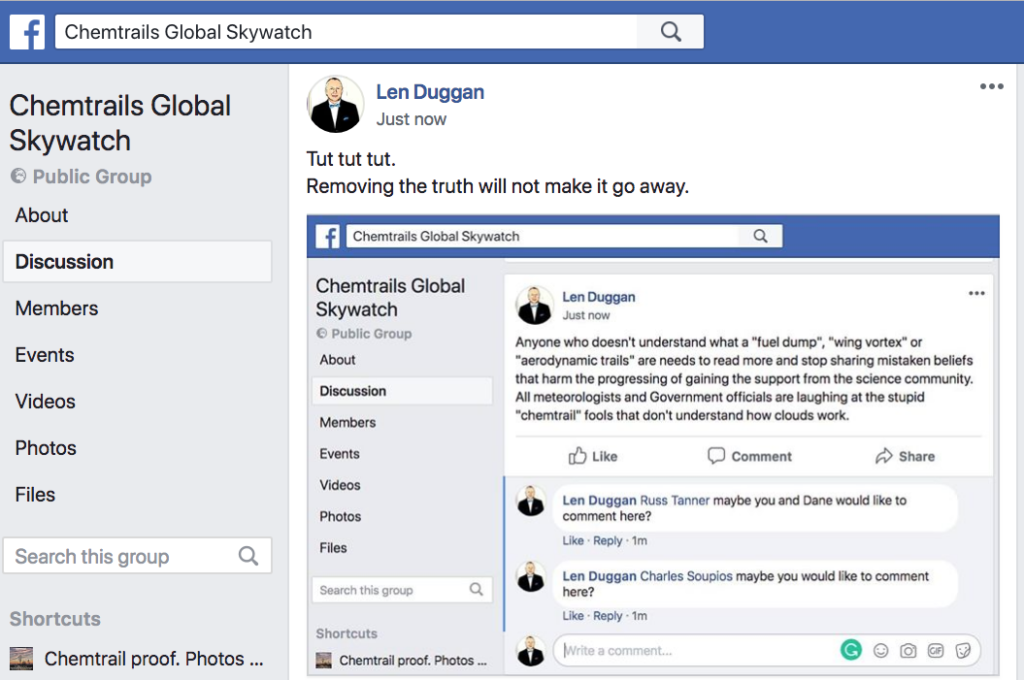
I have tried to explain the mistake to these people on their social media posts, but instead of listening to reason, I am blocked. This leads me to believe the deception is purposeful, and these social media posts are made to undermine people trying to learn.

Many large chemtrail pages build their case by linking three separate errors

  1. Ballast Tanks are claimed to be secret sprayers (even though they are only used on test flights).
  2. Turbofan engines are claimed to be “incapable” of making persistent contrails.
  3. Aerodynamic trails (including these abrupt on-and-off examples) are presented as “wing sprayers” releasing chemicals.

When these three incorrect ideas are put together, they create a story that appears consistent: “The planes have special tanks, the engines don’t make trails, so those sudden trails from the wings must be the spray!”

This is a textbook case of compounded misinformation. Each piece is wrong on its own, but combined they feel compelling to people trying to understand what they see in the sky.

If governments wanted to spray the people secretly, they would not make a spray that turned into a thick cloud; they would make one that remained as a vapour and was always invisible.

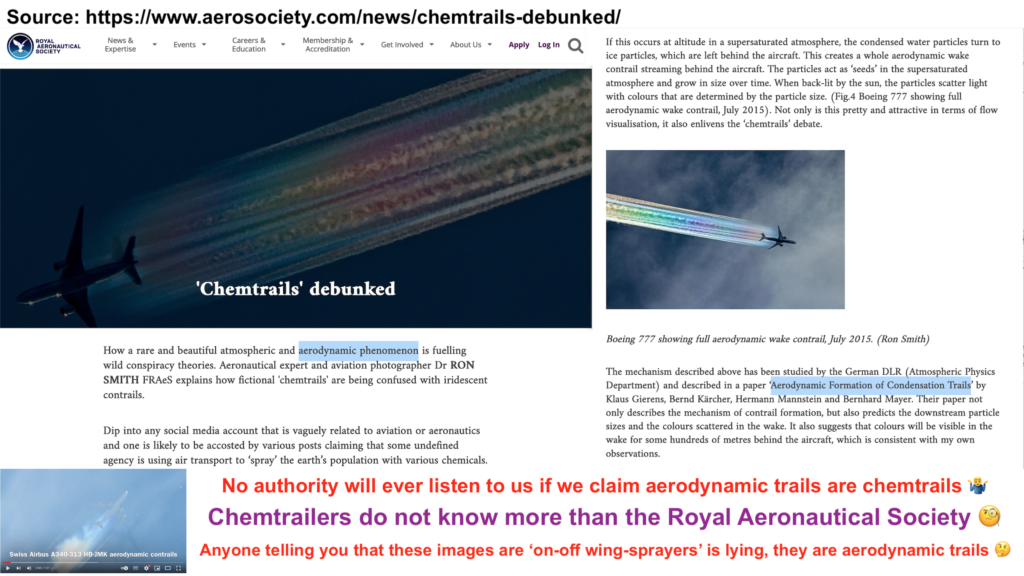
This article by the Royal Aeronautical Society debunks chemtrails. Obviously, they are talking about aerodynamic trails, and not chemtrails, but not understanding properly is how we leave ourselves vulnerable to ridicule.

The article does not mention fuel content; it can only debunk chemtrails because we are tricked into believing this silly lie about aerodynamic trails being left by wing-spraying chemtrail planes.

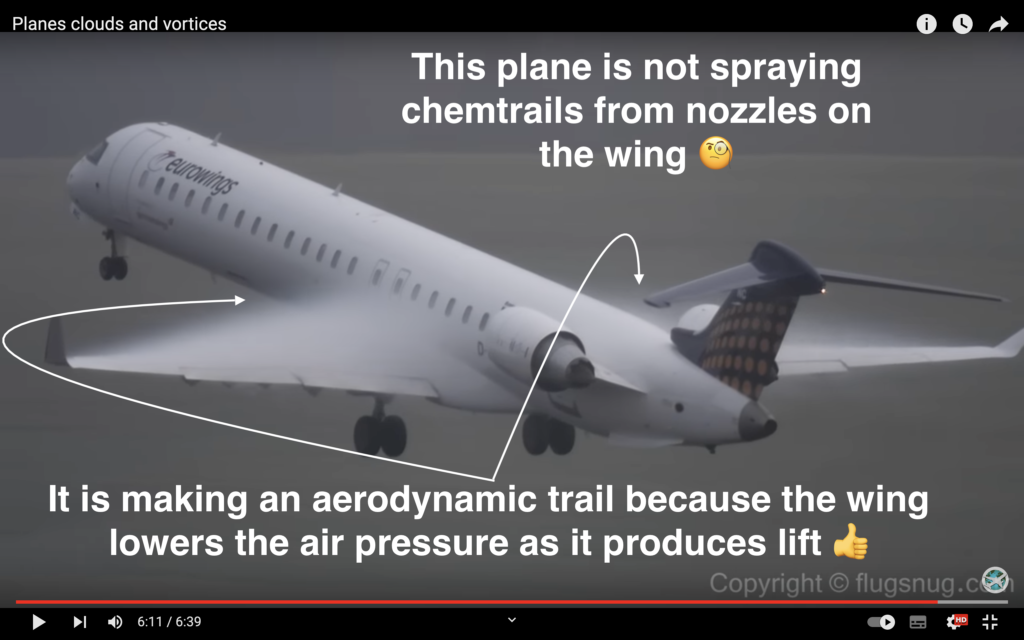
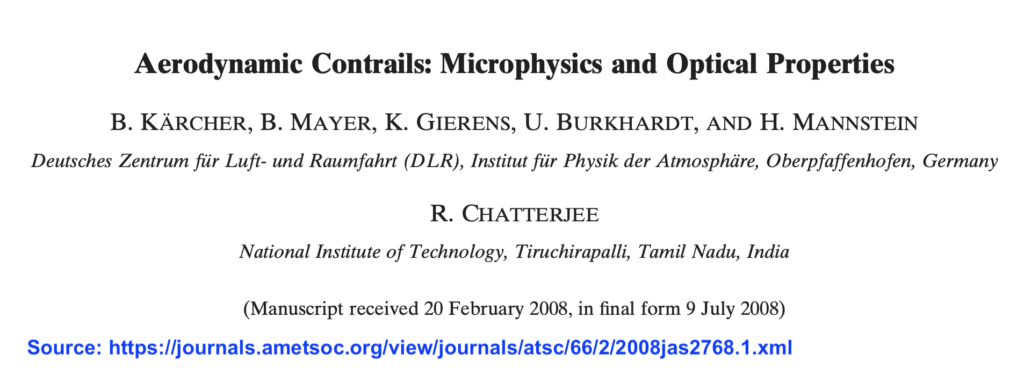
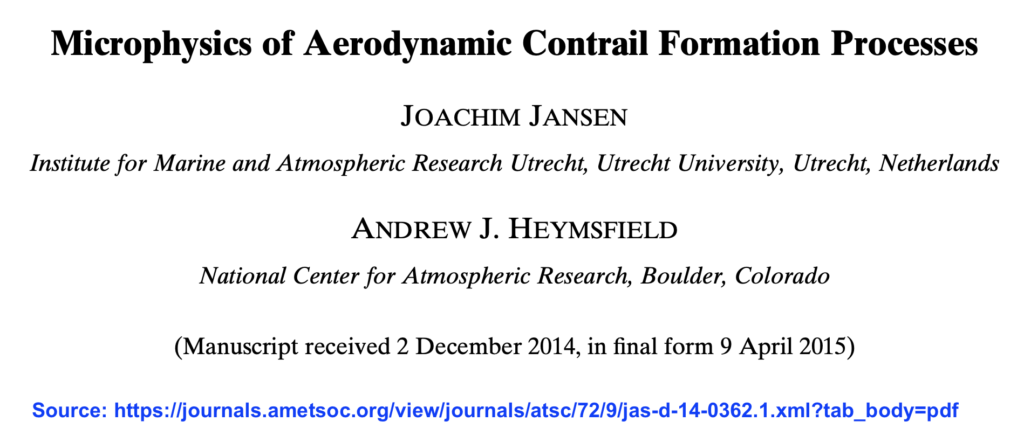
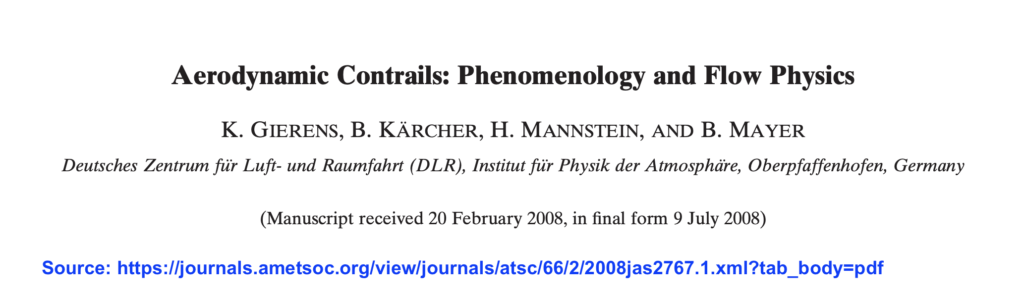
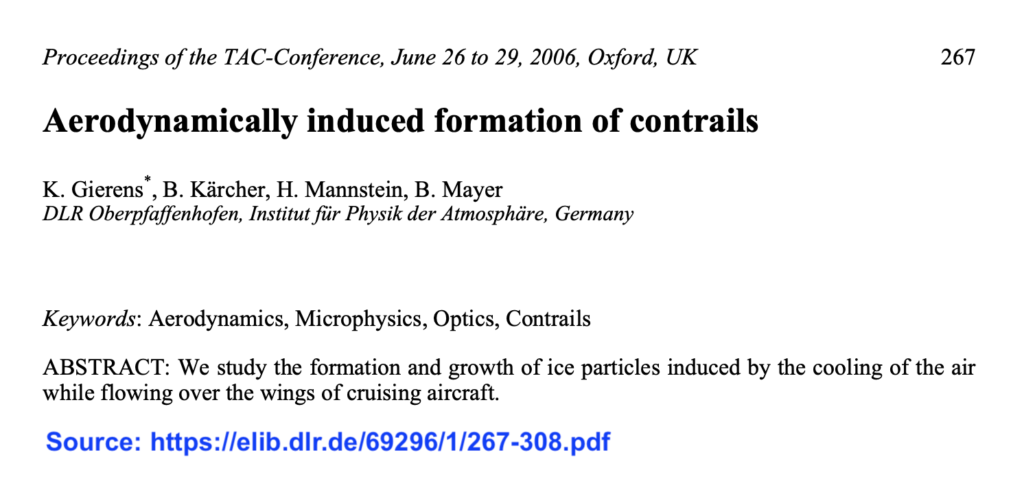
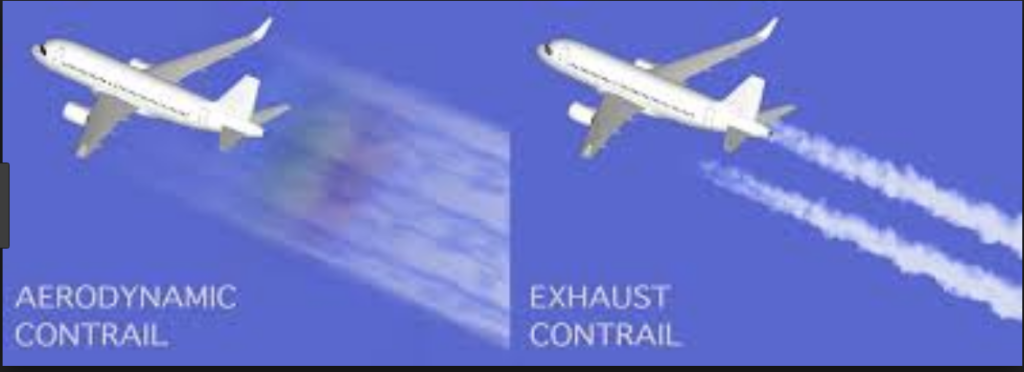
Aerodynamic trails form because of pressure changes caused by the lift of the wing in saturated air that allow the water vapour to condense out into droplets.

There is no secret trick to it. It has nothing to do with chemtrails, and anyone claiming it does is either misinformed or purposefully deceiving. 

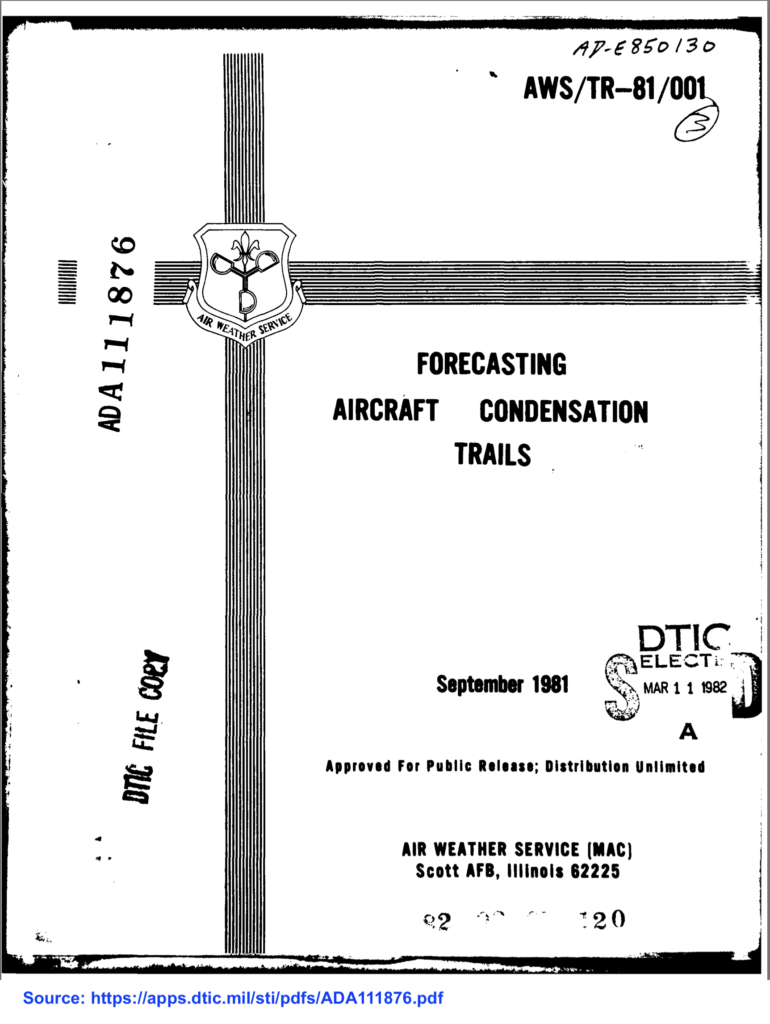
The oldest reference I have found explaining how aerodynamic trails work is from 1981.

It is a USAF technical report for predicting contrails and references the original 1950s work.

It says, condensation trails (contrails) are elongated tubular-shaped clouds composed of water droplets or ice crystals which form behind aircraft when the wake becomes supersaturated with respect to water. Depending upon their origin, they are called either “aerodynamic” or “engine-exhaust” trails.

It continues to explain that aerodynamic trails are caused by the reduction in air pressure as the wing travels at high speed through supersaturated air. If enough liquid water is produced, a visible trail will form. 

Science understands how they work.

Aerodynamic trails have been extensively studied since they were first reported. Their reality can never be denied. 

Do not be confused with images of aerodynamic trails; unlike engine exhaust trails, they do not contain any chemicals.

Bottom line: Do not let mislabelled aerodynamic trails, ballast tank photos, or “turbofans can’t make trails” claims distract you. None of them supports the idea of secret spraying. Look at the engine exhaust itself; that is where the real change has occurred.